Understanding Roan Genetics
Roan cattle are known for their unique coat patterns — colored hairs mixed evenly with white hairs. At Make It Roan, we're passionate about preserving and educating others on these beautiful and distinctive genetics.
What is roan?
Roan is a coat pattern, not a single color. It's a mixture of colored hairs and white hairs growing side by side across the animal's body — giving that soft, speckled, almost shimmering look.
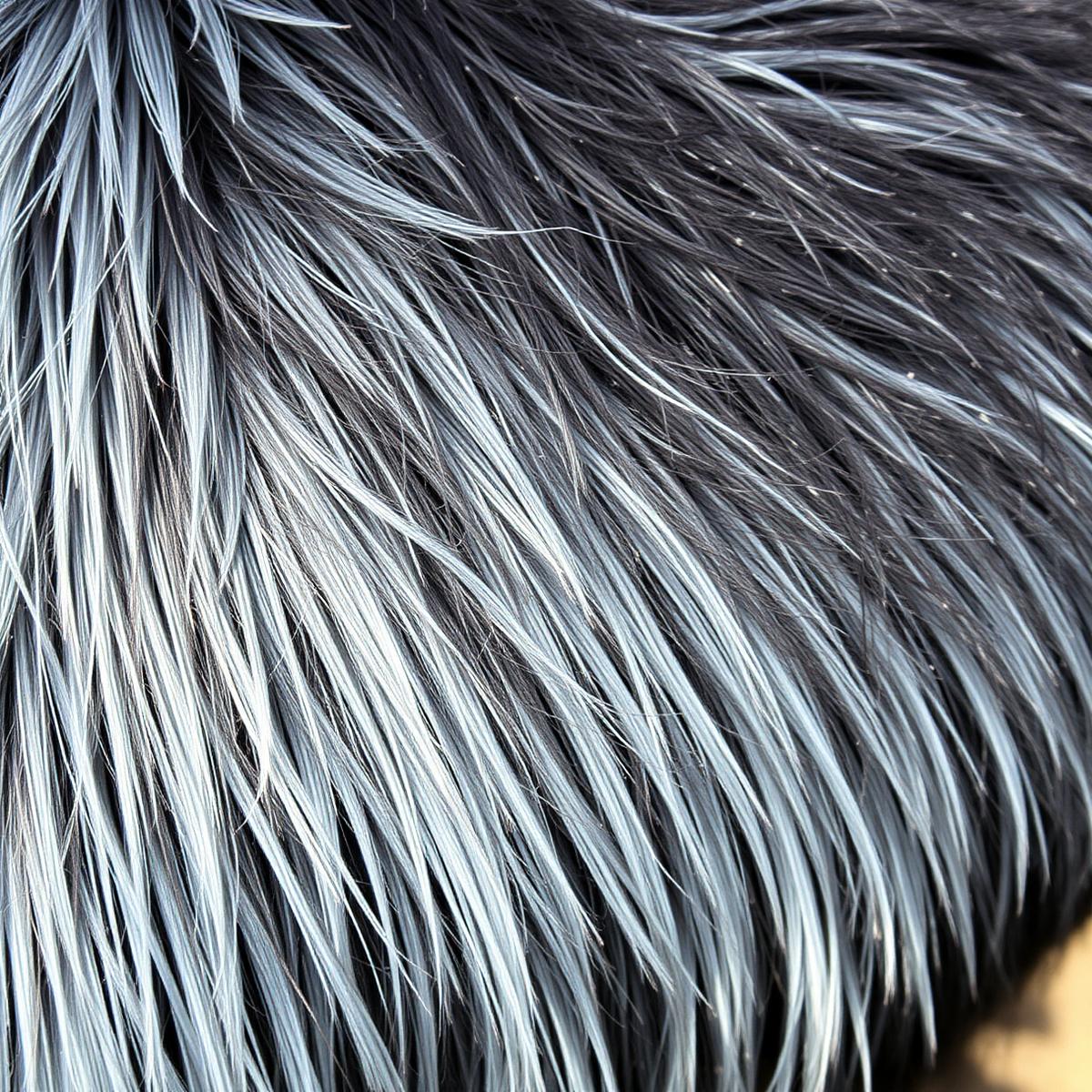
Blue Roan
Black hairs mixed with white hairs. The result reads as a cool, silvery blue from a distance.
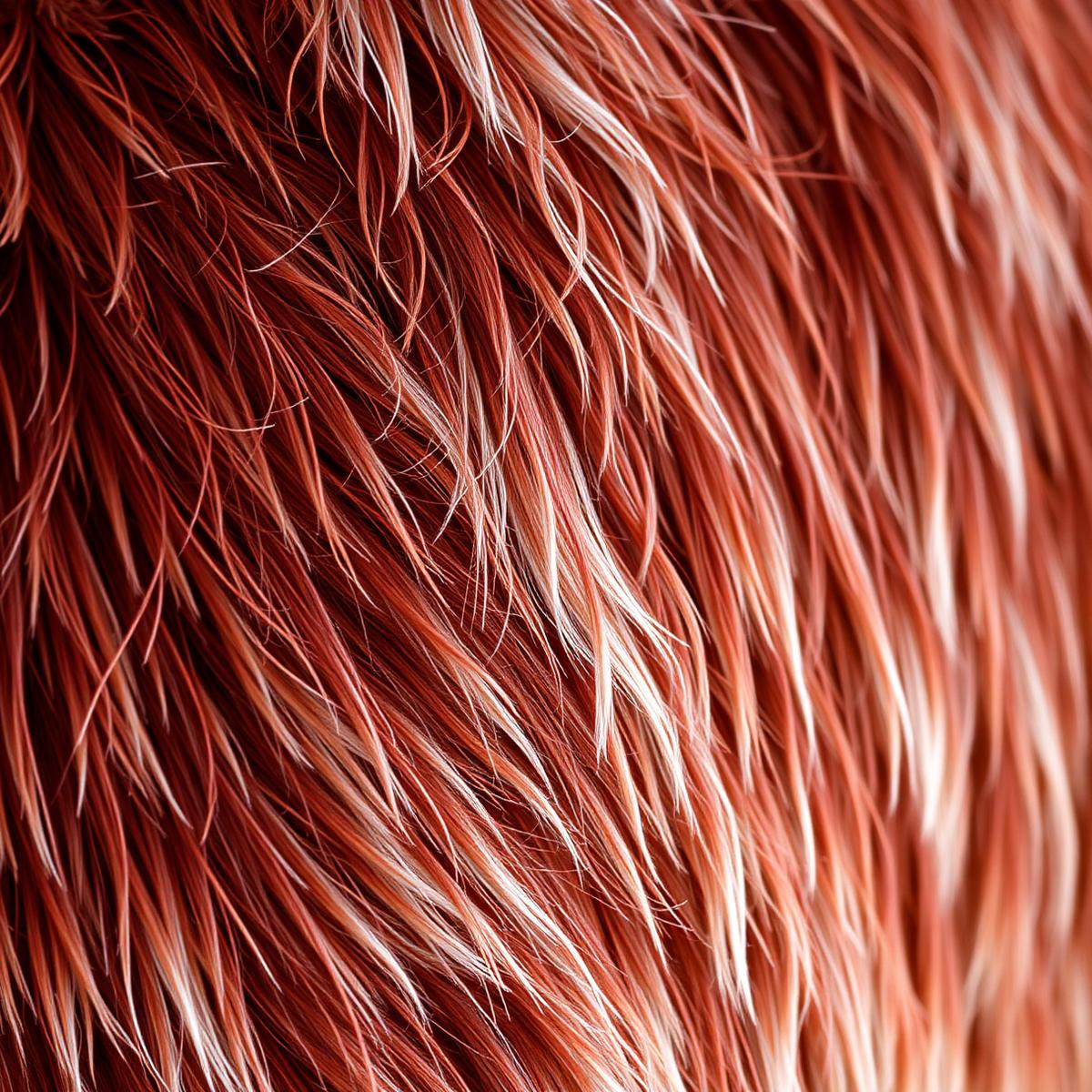
Red Roan
Red or chestnut hairs mixed with white hairs. The coat warms into strawberry, copper, and rose tones.
Unlike gray cattle, roan cattle do not keep turning whiter as they age. The mix of colored and white hairs they're born with stays largely the same throughout their life.
How roan is inherited.
Every calf receives color genes from both parents. Those gene combinations influence how the calf's coat pattern will appear.
No copies of the roan gene. The calf shows its base color with no roan pattern.
One copy of the roan gene. The classic roan look most people picture.
Two copies of the roan gene. Always passes a roan gene to every calf produced.
Heterozygous roan.
Heterozygous roan cattle carry one roan gene and one solid color gene. These cattle often display the classic roan appearance most people recognize.
- — Blue roan on a black base
- — Red roan on a red or chestnut base
Homozygous roan.
Homozygous roan cattle carry two copies of the roan gene. There's a lot of misinformation out there, so we want to be clear:
- • Homozygous roan is not automatically lethal in cattle.
- • Roan expression varies by breed, bloodlines, and other genetics in play.
- • Some homozygous roans are heavily roaned, some lightly colored, some nearly white, and some still visibly roan.
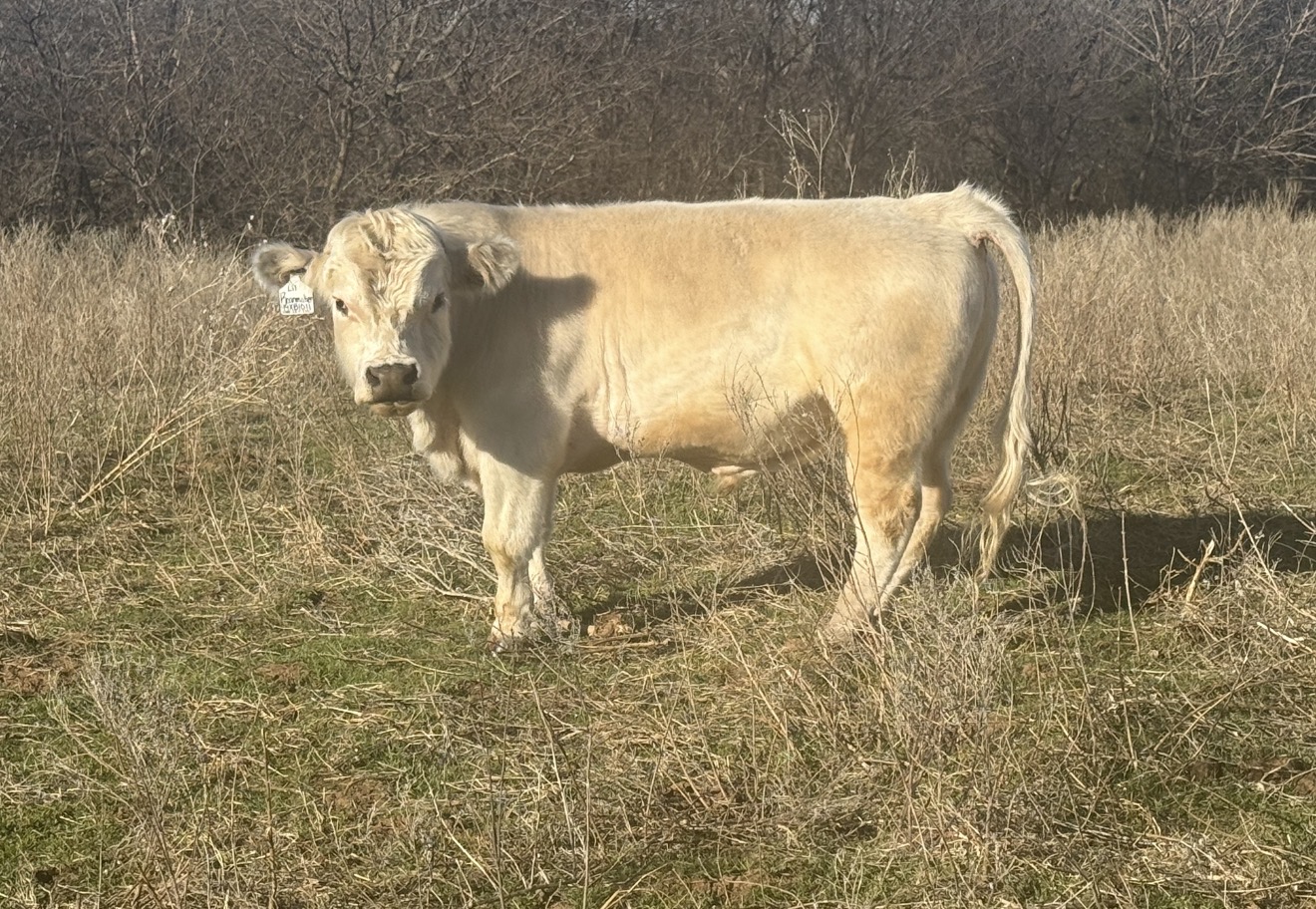
"Lil Roanmaker is homozygous roan."
Roan vs. gray.
A common mix-up worth clearing up.
Lightens with age
Gray cattle are born darker and progressively whiten as they mature. Their coat keeps shifting throughout their life.
Holds its pattern
Roan cattle keep their mixture of colored and white hairs throughout life. The pattern they're born with is essentially the pattern they keep.
Scurs and polled genetics.
Polled genetics are completely separate from roan — they live on a different gene entirely.
Lil Roanmaker is also scurred, meaning he is heterozygous polled. Scurs are small, loose horn growths and are different from full horns.
In simple terms: a scurred animal isn't fully horned, and isn't fully smooth-polled either. It carries one polled gene and one horned gene.
Our philosophy.
We're a small family ranch. We breed responsibly, learn continuously, and try to share what we know in plain language. The cattle aren't ours to own — they're ours to steward, with care and gratitude.
"Then God said, 'Let us make mankind in our image, in our likeness, so that they may rule over the fish in the sea and the birds in the sky, over the livestock and all the wild animals…'"